BLOG
Predator Hunting as a Ranch Management Tool: Why Nebraska Ranchers Welcome Hunters
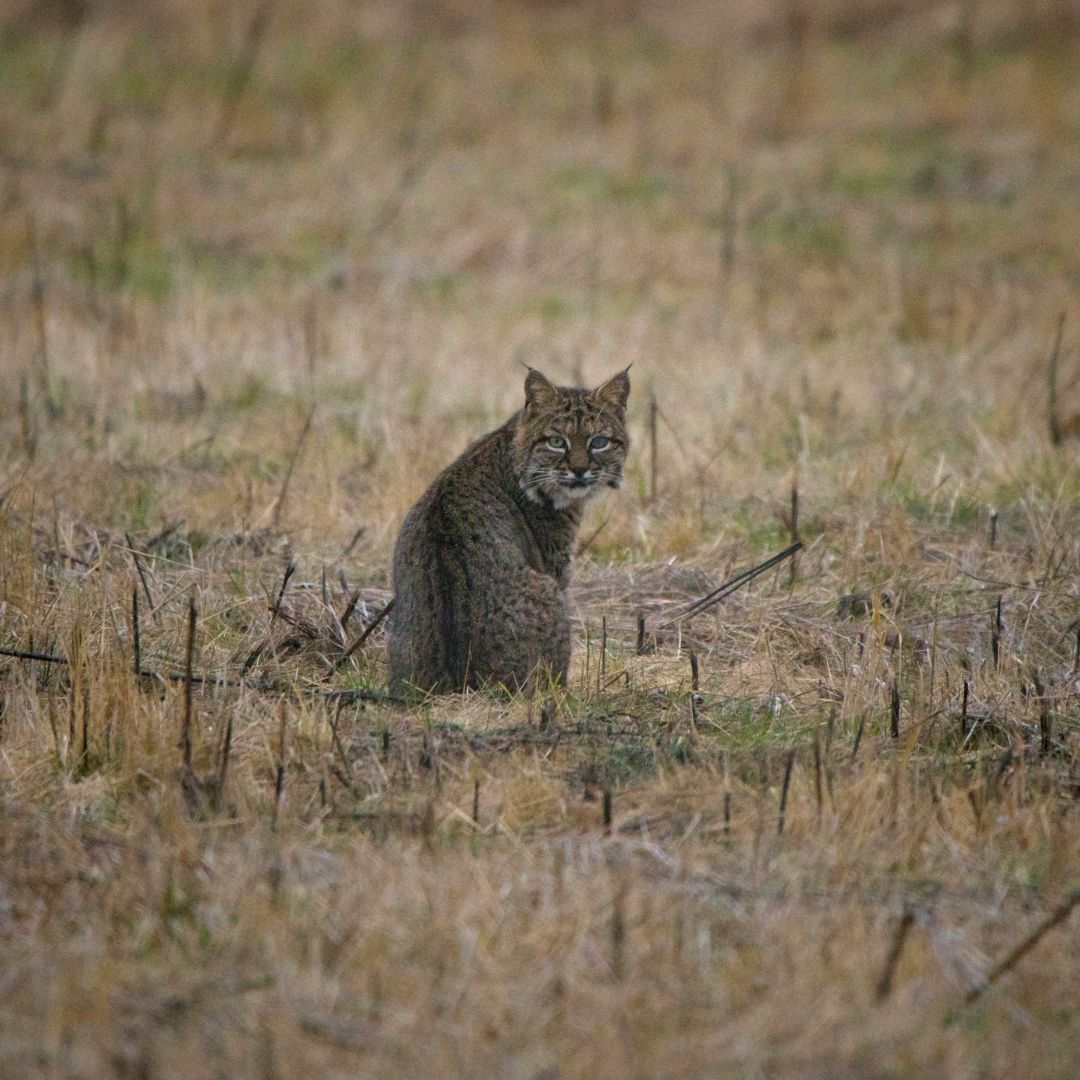
Predator Hunting as a Ranch Management Tool: Why Nebraska Ranchers Welcome Hunters
Predator hunting ranch management in Nebraska isn't a marketing angle. It's the actual reason we run hunters on this property twelve months a year. We operate a working bison ranch in Custer County, and coyote predation on calves is a real, measurable cost. Inviting hunters to help manage that pressure benefits us and gives hunters access to private Sandhills ground they couldn't otherwise get onto.
This article explains how that relationship works, what the data says about coyote predation on livestock, and why positioning yourself as a useful predator hunter — not just a paying customer — opens more private land doors than any other approach.
What Coyote Predation Actually Costs Nebraska Ranchers
The numbers from USDA research aren't abstract for anyone running livestock in the Great Plains. According to USDA National Agricultural Statistics Service data, coyotes are the leading predator cause of sheep and lamb deaths in the United States, accounting for more than 60 percent of all predator-caused livestock losses in some years. For cattle operations, coyotes kill an estimated 100,000 calves annually across the country.
In Nebraska, where beef cattle and cow-calf operations are a cornerstone of the rural economy, coyote depredation concentrates most heavily during the spring and early summer calving season. That's when calf mobility is limited, pairs are separated, and a small animal worth $600 to $1,000 at weaning can disappear overnight. A rancher running 300 cow-calf pairs who loses even four or five calves to coyotes has taken a $3,000 to $5,000 hit before accounting for the labor and stress of finding and documenting the losses.
Sheep operations, less common in the Sandhills than further west but still present in Custer County, face even heavier proportional losses. A pair of coyotes working a lambing pasture can kill multiple lambs in a single night, not for food but because the distress behavior of young sheep triggers an overloaded predatory response.
Nebraska law recognizes the severity of this problem. Under Nebraska Revised Statute 37-559, any private landowner or tenant may destroy any predator preying on livestock on their land — without any permit, without any season restriction, without any bag limit. The state has made it as frictionless as possible for ranchers to protect their animals. Sport hunters benefit from this framework too: coyotes are classified as nongame, are open year-round with no bag limit, and require no license for Nebraska residents.
Predator Management at ReWild Ranch: How It Actually Works
We don't run predator hunts because it's a revenue stream we bolted onto the bison operation. We run predator hunts because bison calving season requires active predator management, and inviting hunters is the most efficient way to do it while also providing an exceptional hunting experience.
Our bison herd calves primarily in spring. Bison cows are significantly more aggressive toward predators than beef cattle — an adult bison cow is a formidable animal and will charge a coyote that comes too close. But that protection has limits. A very young calf that gets separated from the herd, or a pair of coyotes working in relay to tire a cow, can still result in a lost calf. Across miles of rolling Sandhills terrain, we can't watch every animal every hour.
What we can do is keep the coyote population on and around the property under pressure year-round. Winter hunting during December and January knocks down experienced adult pairs. Summer hunting targets the pup-year class before naïve juveniles mature into educated adult predators. By the time calving starts in earnest, we want the coyote density on our ground to be as low as we can reasonably get it.
This is the conservation balance we manage: we want coyotes on the property, because a healthy predator population is part of a functional grassland ecosystem. We don't want to eliminate them — we want to manage their numbers so the impact on our livestock is tolerable and the hunting remains productive. A ranched property with zero predators isn't a hunting destination. A property with unmanaged predator pressure loses livestock and becomes a welfare problem.
Our guides know which draws carry resident coyote pairs and which areas are transit corridors for coyotes moving between neighboring properties. That knowledge comes from being on this land twelve months a year, not just during hunting season. It's a real operational advantage that most hunting-only outfitters can't offer.
Why the Nebraska Sandhills Holds High Coyote Density
The Sandhills ecosystem drives coyote numbers in ways that differ from the Nebraska Panhandle or the agricultural plains further east. Understanding why helps hunters appreciate what makes this terrain so productive.
The foundation is the prey base. Sandhills grassland carries dense populations of white-tailed jackrabbits, cottontail rabbits, prairie voles, deer mice, and ground squirrels — the core prey species for coyotes in this region. The marshes and wet meadows between the sand hills concentrate waterfowl, shorebirds, and muskrat, providing additional food sources that the high plains to the west don't offer. Deer fawn in the draws and cedar breaks, adding a seasonal but significant prey source from May through July.
Layer in a high turkey population — the Sandhills holds exceptional turkey numbers — and you have a grassland that produces more food per square mile than most coyote habitats in the region. High prey density supports high predator density. That's not a management failure; it's a functional ecosystem doing what grassland ecosystems do.
The terrain also provides ideal coyote habitat structure. Rolling hills give them elevated observation points. Draws and marsh edges give them travel corridors with cover. The mix of open grass for hunting and woody draws for denning is almost exactly what a coyote pair needs. The Sandhills produce consistent, year-round coyote populations in numbers that rival any hunting destination in the Central Plains.
The one limiting factor that hunters benefit from: the vast majority of the Nebraska Sandhills is private ranch land. There's very little public access for predator hunting. Getting permission from landowners is the only way to hunt this terrain outside of booked guided trips. Which brings us to the access question.
Building Landowner Relationships: How to Get on Private Ground
If you hunt coyotes and want access to quality Sandhills private land, positioning yourself as a ranch management resource is more effective than any other approach — more effective than paying for access, more effective than word-of-mouth referrals, and considerably more effective than cold-calling ranchers in hunting season.
The reason is straightforward: ranchers don't need more hunters. They need fewer coyotes. If you walk in and say "I'd like to hunt your property," you're asking for a favor. If you walk in and say "I've been running stands on other ranches to help with predator pressure and I'd like to help you during your calving season," you're offering a service.
What makes the offer credible:
First, follow through on what you say. If you tell a rancher you'll come out in April and May when coyote pressure on calves is highest, be there. The hunters who show up when it's cold and inconvenient — not just in January when conditions are ideal — are the ones who get called back and eventually get a standing invitation.
Second, treat the property with respect. Close every gate you open. Don't drive across wet meadows. Don't leave gut piles near water sources or structures. Report anything you see that the rancher might want to know about — fence damage, injured animals, fencing that cattle have pushed through. These details matter enormously.
Third, communicate your results. Text or call after a hunt to report what you saw, where, and how many animals. A rancher doesn't care about your story as entertainment — they care about the information. Knowing that the draw on the east side of the south pasture is running three resident coyotes is useful operational data.
At ReWild Ranch, we've built this relationship with our own ground over years. Hunters who book with us get access to that network of understanding immediately — our guides know where the dogs are, how they're moving, and which stands have been productive under current conditions. That accumulated knowledge is what a $1,795 all-inclusive package is actually buying.
The Conservation Balance
We're sometimes asked whether regular coyote hunting depletes the population to a point where the hunting gets worse. The honest answer is no, for a very specific biological reason: coyotes compensate.
When you remove coyotes from a territory, remaining animals produce larger litters. Juvenile mortality drops because there's less competition for food. Dispersing coyotes from neighboring territories move in to fill vacant home ranges. Research from wildlife management agencies consistently shows that hunting and trapping at typical recreational pressure levels doesn't suppress coyote populations long-term — it keeps them at a level the habitat can actually support rather than allowing them to expand beyond sustainable prey and territorial limits.
What consistent hunting does do is maintain a population of younger, less experienced animals that are more responsive to calls and less educated about hunters. Heavily pressured properties with regular hunting effort often produce better calling results than unhunted ground, because the population turns over more often and naive animals replace educated adults.
This isn't an argument against intensive predator control — ranchers experiencing serious livestock losses should use every legal tool available. It's an explanation of why a well-managed hunting program on a working ranch isn't going to hunt itself out, and why we're confident in offering year-round access to predator hunting on the same ground we've been hunting for years.
Book a Predator Hunt
Our all-inclusive predator hunt is $1,795 for two days and three nights: lodging, home-cooked meals, guide, and all thermal and night vision equipment included. No trophy fees. Year-round coyote, bobcat December through February, and badger November through February.
Call Danielle at (308) 730-4116 to discuss availability.
For the full overview of what the predator hunt package covers, see /blog-posts/guided-predator-hunting-nebraska.
For the regulatory framework that governs year-round coyote hunting in Nebraska — including landowner rights and what licenses non-resident hunters need — see /blog-posts/nebraska-coyote-hunting-regulations.
If you're interested in combining a predator hunt with a bison tag, we've broken down how that works at /blog-posts/combo-predator-hunt-nebraska.
Frequently Asked Questions
How much livestock loss do Nebraska Sandhills ranchers attribute to coyote predation each year?
There's no Sandhills-specific published figure, but USDA NASS national data shows coyotes account for the majority of predator-caused livestock deaths in the US — over 60 percent of sheep and lamb predation losses in most years, and an estimated 100,000 cattle calves annually nationwide. For individual ranches, losses of three to eight calves per season are common enough that most cow-calf operators in the region run some form of active predator control. At market weights, that's several thousand dollars per year in direct losses, before accounting for any indirect stress impact on the cow herd.
Does hunting coyotes on a working bison ranch help protect calves and other livestock?
Yes, directly. Maintaining active hunting pressure on the coyote population reduces the number of resident pairs operating on or near calving areas during the spring and early summer calving season, which is when bison and beef calves are most vulnerable. It also keeps the population younger and less experienced — juvenile coyotes are less efficient predators than established adults with years of hunting experience. We run predator hunting year-round at ReWild Ranch specifically because consistent pressure during all seasons matters more than intensive hunting in one brief window.
Can hunters access more private Sandhills land by positioning themselves as a pest-control resource for ranchers?
Absolutely — and it's the most reliable way to build private land access in Nebraska's ranching communities. Ranchers don't need hunters for sport; they need relief from predator pressure on their livestock. Hunters who show up during calving season, report their results, follow property rules, and are generally useful rather than just another person asking for a favor get called back. The relationship is genuinely mutual: the rancher gets cost-free predator control, and the hunter gets access to thousands of acres of private Sandhills ground they couldn't hunt any other way.
check out other posts
Nebraska Sandhills Lodge: Where to Stay When You're Not Hunting
Buffalo Hunts: What a Real Guided Hunt Looks Like in 2026
